Nidra is a therapy for restless legs syndrome delivered by wearable bands. Nidra Technician is the tool certified Patient Activation Specialists use to set one up: pair with the bands, find the patient's threshold, programme the device, and confirm it took. It sits in the Medical category on the App Store, and Noctrix Health lists it as collecting no data.
Client work. Clutch Developer does mobile engineering on this app. The app belongs to Noctrix Health.
What the app does
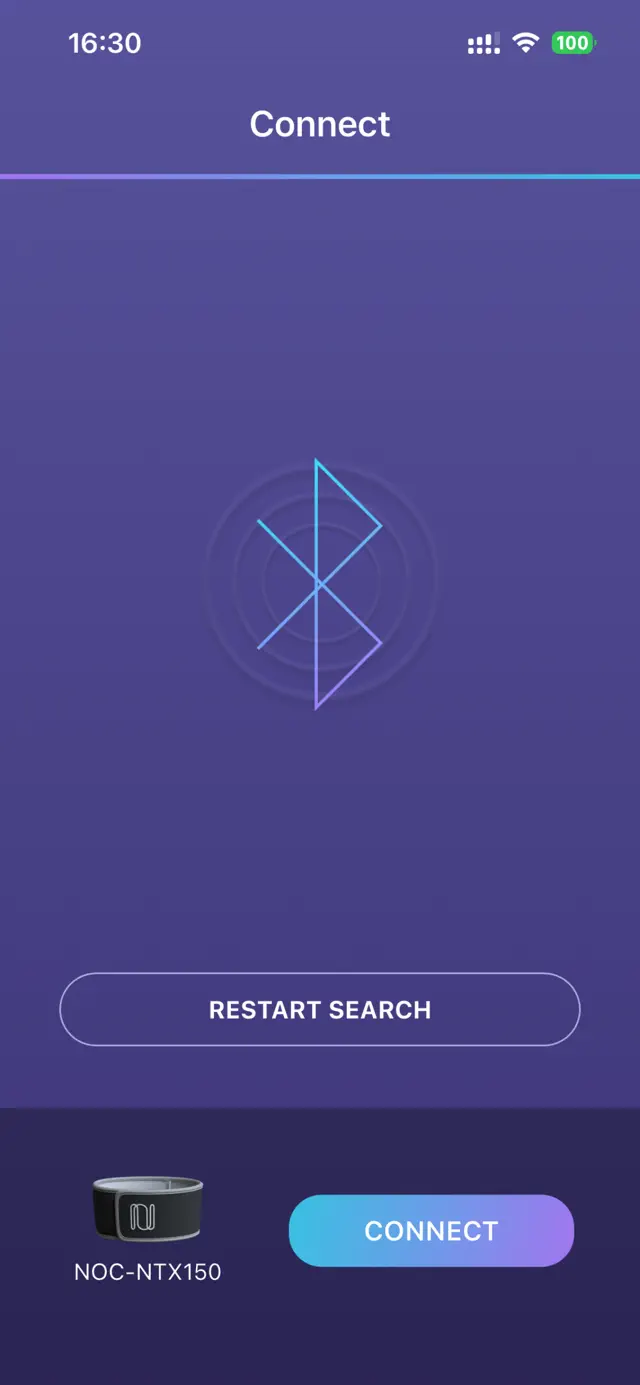
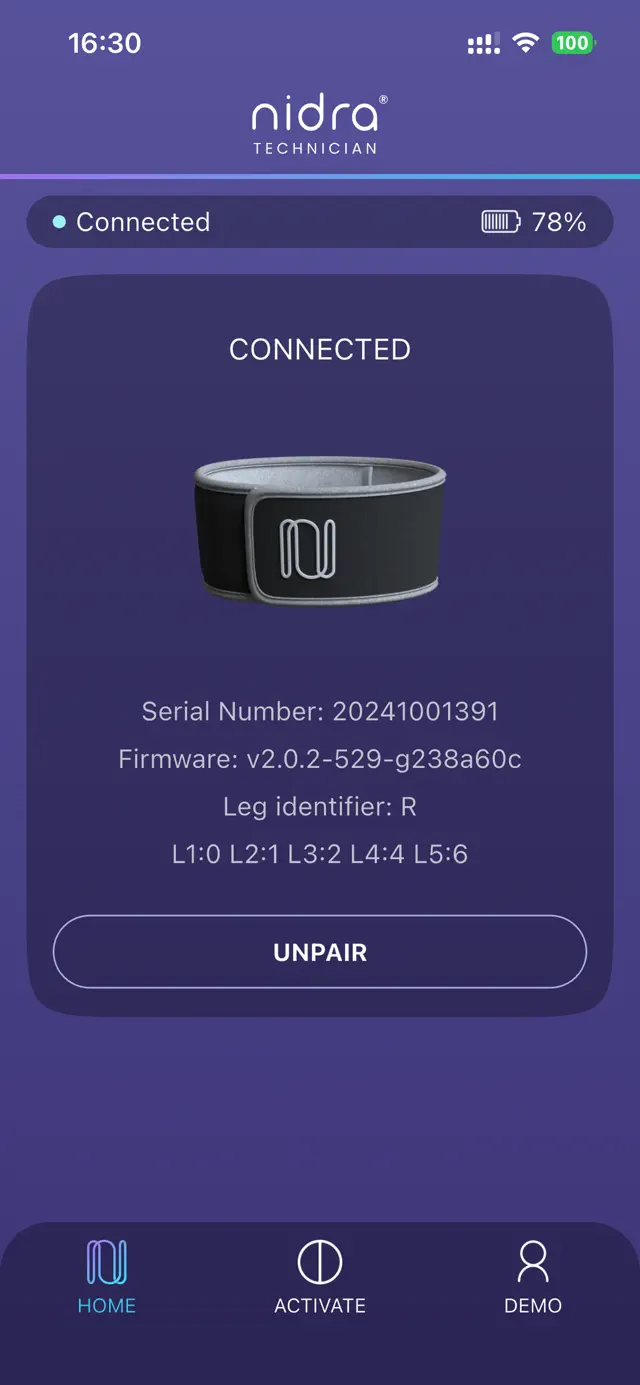
- Pairing with the therapy bands over Bluetooth, with the device identity shown plainly — serial number, firmware, which leg.
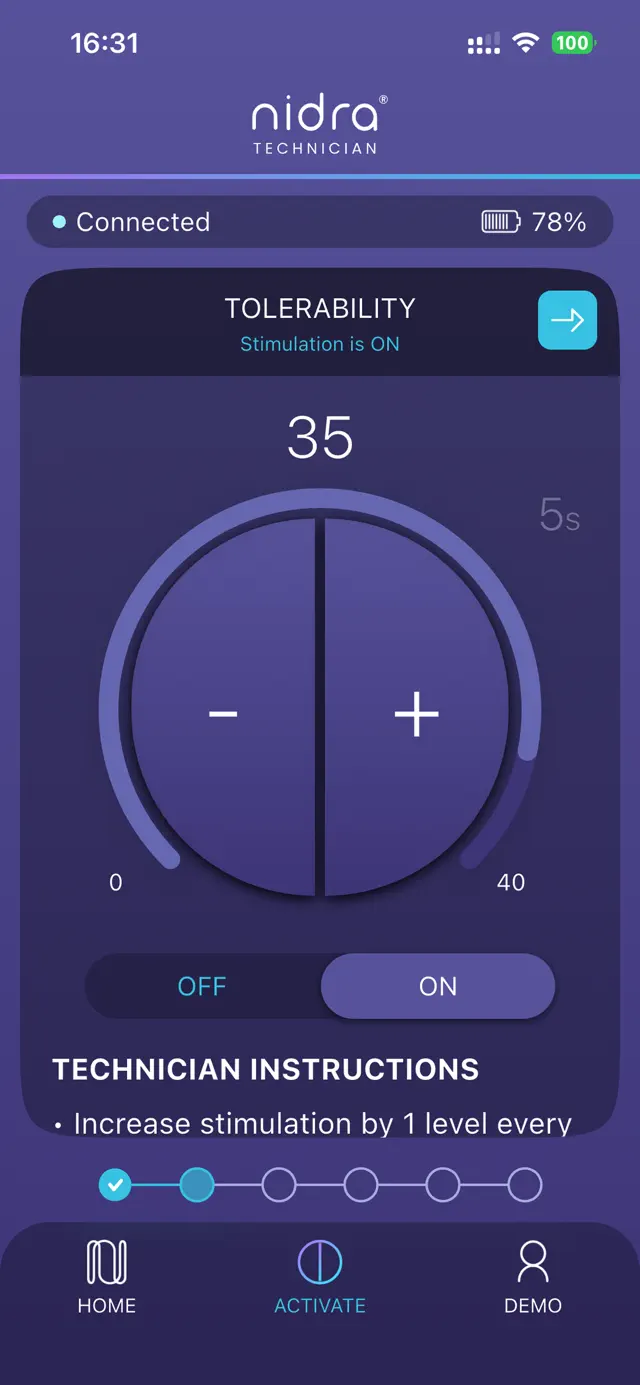
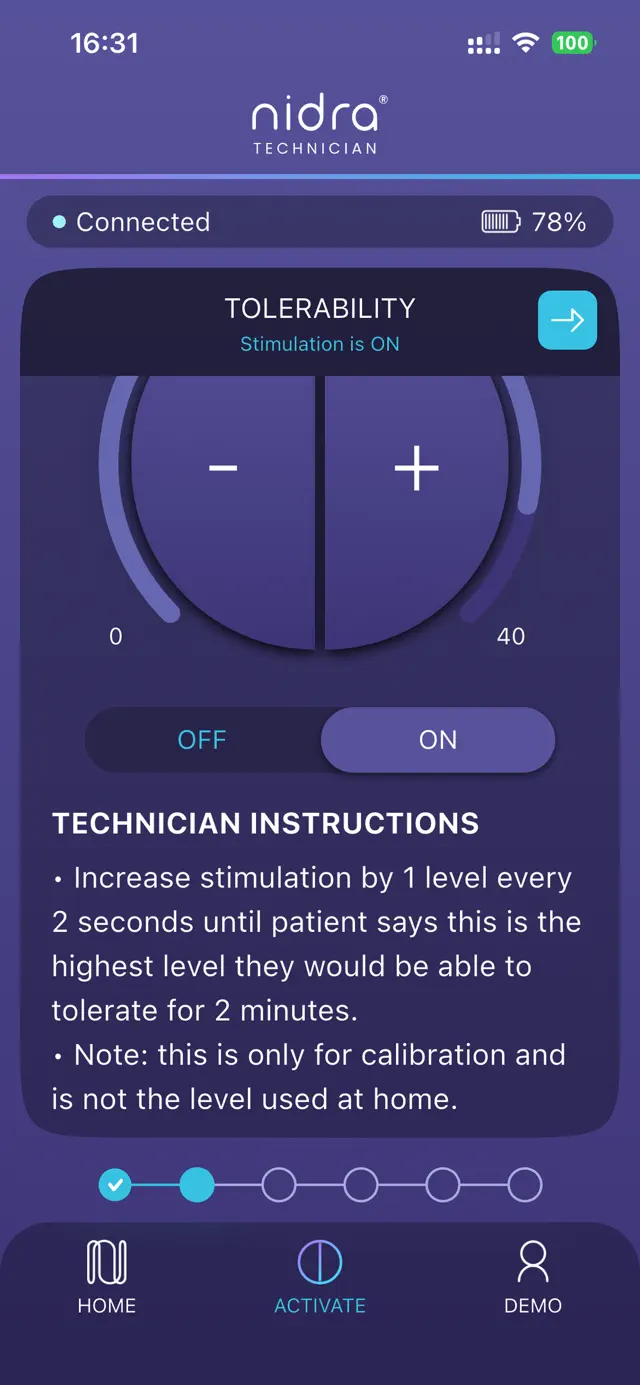
- Titration — stepping stimulation up while the patient reports tolerability, to find the right level.
- Programming the band once the settings are found.
- Verification — built-in checks that confirm the setup and the programming actually landed.
The hard part
Three things stack up here, and each one alone would already make an app harder than average.
It writes to a medical device. A consumer app that mishandles state shows the wrong number. This one changes a therapy setting on hardware attached to a person. Every write needs to be confirmed by the device rather than assumed by the app, and the UI has to distinguish "sent" from "acknowledged" — those are not the same event, and Bluetooth is exactly the transport where they come apart.
The workflow is clinical, not exploratory. The specialist is following a protocol with an actual patient in the room. That rules out the usual escape hatches — no "pull to refresh and try again", no ambiguous partial states, no screen where it is unclear whether you already did the step. The interface has to carry the instructions, in order, and make the current state obvious at a glance.
It is regulated. That constrains what you can log, what you can send anywhere, and how much of an audit trail the flow has to leave. "We'll add analytics and figure it out later" is not available to you. The privacy posture has to be a design input from the first screen, not a compliance pass at the end.
What that demands
- Bluetooth handled as an unreliable transport by default — reconnects, timeouts and half-completed writes are the normal case, not the edge case.
- Explicit confirmation from the device before the UI claims success.
- A guided, linear flow where the current step and the device state are always visible.
- Data discipline — collect nothing you do not need, and be able to say so.
- Failure states written for someone standing in front of a patient, not for a developer reading a stack trace.
If your product touches hardware and a regulated workflow at once, that combination — not the feature list — is what should drive the estimate. Native app development is the page for this kind of work.